

In a world filled with constant stimulation, many people are searching for ways to feel more grounded, present, and connected to themselves. Social media trends often come and go, but occasionally a trend gains popularity because it taps into something our nervous systems genuinely need.
Practices like “floor time,” silent walking, and other forms of mindful movement have recently gained attention online, particularly among individuals seeking relief from stress, anxiety, burnout, and emotional overwhelm. While these trends may appear simple on the surface, they reflect something much deeper: a growing interest in embodied mindfulness.
At Awakened Path Counseling, we often discuss the importance of reconnecting with the body as part of holistic mental health. Many people spend their days living primarily in their thoughts—planning, analyzing, worrying, and problem-solving. Embodied mindfulness offers a different approach. Rather than trying to think our way into feeling better, it invites us to experience the present moment through the body.
This shift can be surprisingly powerful.
What Is Embodied Mindfulness?
Mindfulness is often described as paying attention to the present moment without judgment. Embodied mindfulness takes this concept a step further by emphasizing awareness of physical sensations, movement, breath, and the body’s internal experience.
Rather than observing thoughts alone, embodied mindfulness encourages us to notice:
- Physical sensations
- Muscle tension and relaxation
- Breath patterns
- Posture and movement
- Internal emotional experiences
- Sensory information from our environment
This approach recognizes that emotions are not just mental experiences—they are physiological experiences as well.
Stress, anxiety, grief, and overwhelm often live in the body. We may notice tight shoulders, a racing heart, shallow breathing, digestive discomfort, or chronic tension. Embodied mindfulness helps us develop awareness of these signals and create opportunities for regulation.
Many somatic therapy techniques are built upon this understanding. By increasing awareness of the body’s experience, individuals can strengthen their ability to regulate emotions, process stress, and reconnect with themselves.
The Rise of “Floor Time” and Why It Resonates
One recent social media trend that has captured attention is “floor time.“
The concept is simple: intentionally lying or sitting on the floor without distractions, often for several minutes at a time. No scrolling. No multitasking. No productivity goals. Just being.
At first glance, floor time may seem unusual. Yet many people report feeling calmer, more grounded, and emotionally settled afterward.
The popularity of floor time mental health discussions may stem from the fact that the practice creates an opportunity to pause in a culture that rarely encourages slowing down.
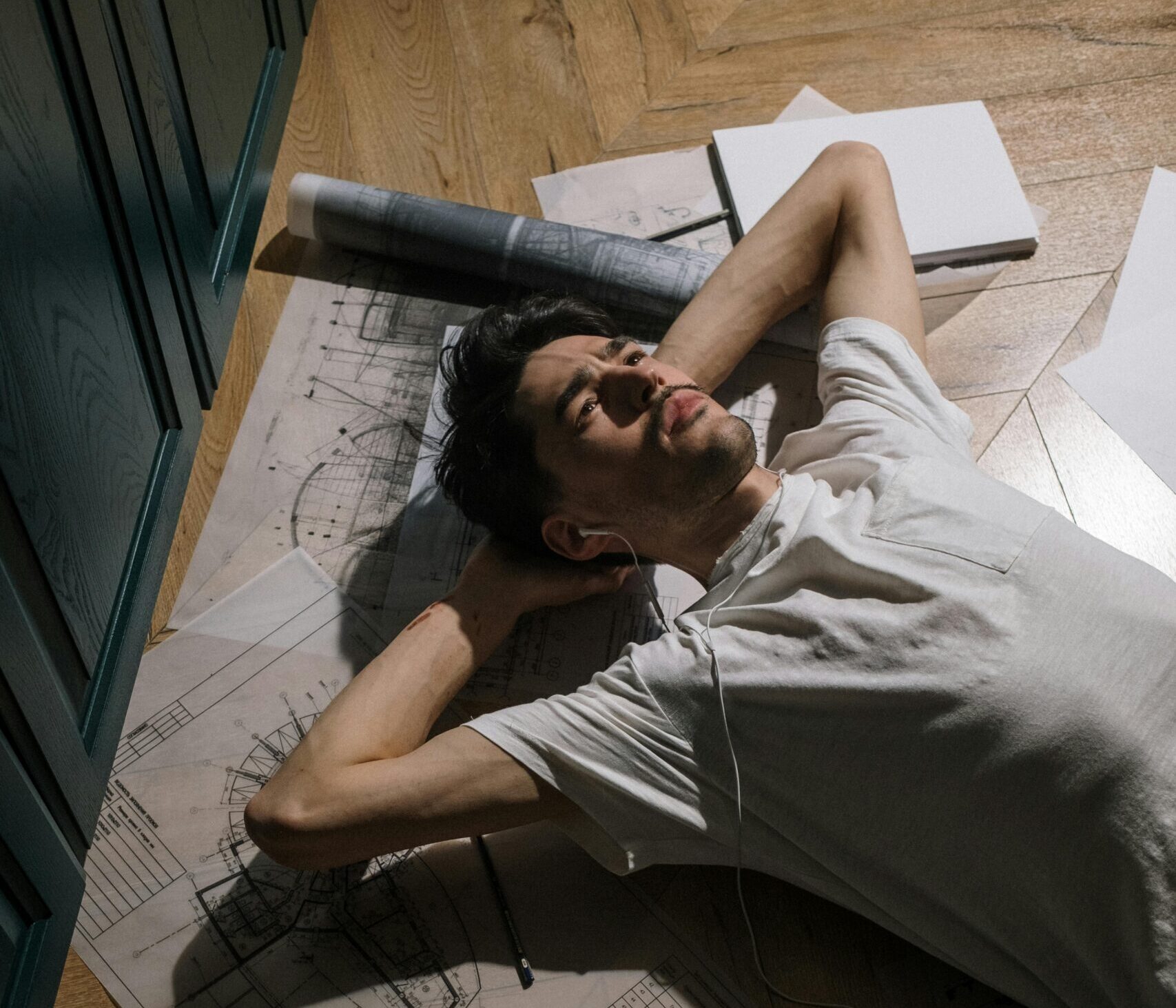
How Floor Time Can Help Regulate the Nervous System
When we spend our days moving rapidly from task to task, the nervous system can remain in a state of chronic activation.
Floor time creates conditions that support regulation by:
- Reducing external stimulation
- Encouraging stillness
- Increasing awareness of bodily sensations
- Allowing muscles to relax
- Creating a sense of physical support from the ground
Many people notice that difficult emotions or thoughts begin to surface during floor time. While this can initially feel uncomfortable, it is often a sign that the nervous system is finally experiencing enough safety to process what has been pushed aside.
In many ways, floor time functions as an accessible embodiment practice. It invites us to stop doing and simply notice. For individuals who struggle with perfectionism, anxiety, or burnout, this can be a powerful shift. Learning to exist without constantly producing can be an important part of healing.
Silent Walking Benefits for Mental Health
Another embodiment practice gaining attention is silent walking.
Unlike traditional walks accompanied by podcasts, music, or phone conversations, silent walking involves moving through the environment without external distractions.
The goal is not exercise performance or step counts. The goal is presence.
Why Silent Walking Feels Different
Many people spend very little time alone with their thoughts and sensory experiences. Silence can initially feel unfamiliar or even uncomfortable.
However, as the mind settles, awareness often expands.
During a silent walk, you may notice:
- The sensation of your feet contacting the ground
- Changes in breathing
- Sounds in the environment
- Temperature shifts
- Visual details you typically overlook
- Internal emotional states
This sensory engagement helps anchor attention in the present moment rather than in worries about the future or regrets about the past.
How Silent Walking Supports Emotional Regulation
Research consistently shows that movement supports mental health. Walking can improve mood, reduce stress, and support cognitive functioning.
Adding mindfulness enhances these benefits.
Some of the most notable silent walking benefits include reduced anxiety, improved focus, and increased emotional awareness. It can also support nervous system regulation, mood, and connection to nature.
For individuals experiencing overwhelm, silent walking can act as a bridge between movement and meditation. It offers the calming effects of mindfulness without requiring complete stillness.
The Power of Orienting: A Somatic Practice Hidden in Plain Sight
One of the simplest yet most overlooked somatic therapy techniques is something called orienting.
Orienting is the practice of intentionally looking around your environment and allowing your nervous system to register that you are safe in the present moment. While it may sound almost too simple to be effective, it is actually a natural biological process that humans and animals use to assess safety.
When we experience stress, anxiety, or trauma, the nervous system can become fixated on perceived threats. Attention narrows. The body becomes tense. We may feel disconnected from our surroundings or trapped in cycles of worry.
Orienting gently interrupts this process.
How to Practice Orienting
Take a few moments to slowly look around the room or outdoor space where you are sitting.
Notice:
- Colors and shapes
- Sources of light
- Objects that feel pleasant or comforting
- Details you have never noticed before
- Areas of open space
Rather than searching for danger, allow your eyes to wander naturally and take in information that communicates safety.
You may notice your shoulders relaxing, your breathing deepening, or your mind becoming quieter.
Why Orienting Supports Mental Health
From a nervous system perspective, anxiety often pulls us into the future, while trauma can pull us into the past. Orienting helps anchor us in the present.
This practice can reduce feelings of overwhelm and boost a sense of safety.
Many therapists incorporate orienting into trauma-informed and somatic therapy techniques because it helps clients reconnect with their environment without forcing relaxation.
Unlike some mindfulness practices that ask us to focus inward, orienting begins with the external world. For individuals who feel overwhelmed by body awareness or meditation, this can provide a gentler entry point into embodiment.
In many ways, orienting reminds us that healing does not always require doing more. Sometimes it begins by simply noticing where we are right now.
Why the Body Matters in Healing Mental Health
Many people enter therapy hoping to change their thoughts. While thoughts certainly matter, healing often requires attention to the body as well.
The nervous system stores patterns developed through years of experiences.
When stress becomes chronic, the body learns certain responses:
- Hypervigilance
- Muscle tension
- Shallow breathing
- Emotional numbing
- Restlessness
- Difficulty relaxing
These responses are not character flaws. They are adaptations. Embodied mindfulness helps individuals become aware of these patterns without judgment. Rather than asking, “What’s wrong with me?” the question becomes: “What is my body trying to communicate?” This shift can create greater compassion, curiosity, and understanding.
Other Simple Embodied Mindfulness Practices to Try at Home
Floor time and silent walking are excellent starting points, but they are not the only ways to cultivate embodiment.
Here are several additional practices that can support nervous system regulation and self-awareness.
Barefoot Grounding
Walking barefoot on grass, sand, or other natural surfaces can increase sensory awareness and create a stronger sense of connection to the present moment.
Pay attention to:
- Temperature
- Texture
- Pressure
- Balance
The goal is not exercise. The goal is noticing.
Studies have shown that grounding can improve cortisol rhythm, healing, and sleep quality. This small yet powerful practice can also decrease pain, stress, and inflammation in the body.

Mindful Stretching
Gentle stretching provides an opportunity to reconnect with areas of the body that may be holding tension.
Move slowly.
Notice sensations.
Pay attention to areas that feel restricted or relaxed.
Allow curiosity to guide the experience. If you want to take things a step further, try these three simple beginner yoga poses.
Body Scan Meditation
Body scans are commonly used in somatic therapy techniques and mindfulness practices.
Starting at the feet and moving upward, bring attention to each area of the body.
Notice:
- Tension
- Temperature
- Sensations
- Areas of comfort or discomfort
The intention is observation rather than change.
Five-Senses Check-In
When feeling anxious or overwhelmed, try naming:
- Five things you can see
- Four things you can feel
- Three things you can hear
- Two things you can smell
- One thing you can taste
This exercise gently brings awareness back into the body and present environment.
A Holistic Perspective on Embodiment
At Awakened Path Counseling, we view healing through a holistic lens that recognizes the connection between mind, body, and spirit.
Embodied mindfulness is not about eliminating difficult emotions or achieving constant calm. It is about developing a relationship with your internal experience.
Through practices like floor time, silent walking, mindful movement, and other somatic therapy techniques, individuals can strengthen their ability to listen to their bodies with curiosity rather than judgment.
Healing often begins not by doing more, but by becoming more present with what is already here.
Reconnecting With Yourself Through Presence
Many of the trends gaining popularity today reflect a deeper human need: the desire to slow down and reconnect.
Floor time reminds us that stillness has value.
Silent walking reminds us that movement can be meditative.
Embodied mindfulness reminds us that healing is not just something we think about—it is something we experience.
When we learn to listen to the wisdom of the body, we often discover that it has been guiding us all along.
If you are interested in exploring embodied mindfulness, nervous system regulation, or holistic therapy approaches, the therapists at Awakened Path Counseling are here to support you. Together, we can help you develop tools that foster greater presence, resilience, and connection in everyday life.
About The Author