
When we talk about mental health, most people think of therapy, stress management, medication, or lifestyle habits like sleep and movement. But one area that’s often overlooked—yet deeply connected to how we think, feel, and function—is nutrition, especially the types of fats we eat every day.
Before diving in, let’s be clear: No food is “bad,” and no one should feel shame about their eating habits. Food is not moral. But different foods do support our bodies—and our brains—in different ways. Understanding how certain fats influence mood, focus, emotional regulation, and overall well-being can empower you to make choices that help you feel your best.
Let’s explore the science behind good fats, mental health, and how dietary choices can either support or strain your emotional balance.
Good Fats for Mental Health: Why Fat Matters for Your Brain
Your brain is nearly 60% fat—which means the types of fats you consume directly affect how your brain cells communicate, repair themselves, and regulate mood. This is where brain nutrition becomes essential.
Different fats serve different purposes:
- Some fats fuel the brain and support mood stability.
- Others contribute to inflammation, which can worsen symptoms of depression, anxiety, and cognitive fog.
Think of it this way: just as high-quality oil helps a car engine run smoothly, nourishing fats help your brain function at its best.
The Science: How Fats Influence Mood Regulation
Fats impact mental health through several key pathways:
1. Cell Structure & Communication
Healthy fats help build flexible cell membranes, which allow brain cells to communicate efficiently. When those membranes are rigid or inflamed, communication slows down—leading to issues with focus, memory, and emotional balance.
2. Neurotransmitter Production
Omega-3 fatty acids, in particular, help produce and regulate neurotransmitters like serotonin and dopamine—the same chemicals targeted by many antidepressants.
3. Inflammation Levels
Chronic inflammation is strongly linked to depression and anxiety. Some fats reduce inflammation, while others fuel it.
4. Hormone Balance
Your hormones—including those that regulate stress and mood—depend on healthy fats for production and stability.
This is why understanding the difference between omega-3 rich foods and highly processed oils matters: not because of “good” vs. “bad,” but because your mental health responds to the nutrients you consistently consume.
Good Fats vs. Bad Fats: What’s the Difference?
Again—food is not moral. But certain fats are more supportive of emotional well-being, brain function, and long-term health. Others, especially in high amounts, can make it harder for the brain and body to regulate mood, focus, and energy.
Below is an evidence-based breakdown.
Good Fats That Support Mental Health
These include omega-3 fatty acids, monounsaturated fats, and certain polyunsaturated fats. They are essential for brain nutrition and emotional balance.
Omega-3 Fatty Acids: The Mood-Boosting Powerhouses
Omega-3s reduce inflammation, support neurotransmitter function, and improve the fluidity of brain cell membranes. Research consistently links adequate omega-3 intake with lower rates of depression, anxiety, cognitive decline, and emotional dysregulation.
Foods rich in omega-3s:
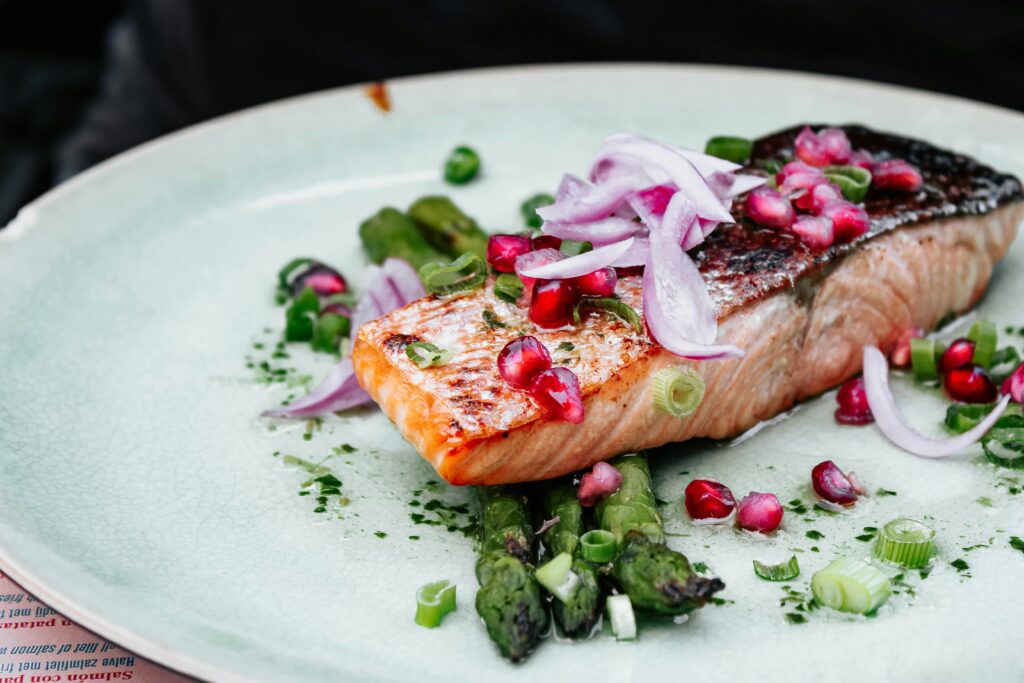
- Salmon, sardines, trout
- Flaxseeds and chia seeds
- Walnuts
- Omega-3–enriched eggs
- Seaweed and algae oil (great plant-based options)
Omega-3s are often recommended as part of complementary treatment for anxiety and depression, not because they replace therapy, but because they support the brain’s natural chemistry.
Monounsaturated Fats: Steady Energy & Better Focus
Monounsaturated fats help stabilize blood sugar, which is crucial for emotional steadiness and concentration.
Foods rich in monounsaturated fats include avocados, olive oil, almonds, cashews, peanuts, and pumpkin and sesame seeds.
Stable blood sugar = fewer mood crashes and less irritability.
Polyunsaturated Fats: Brain-Friendly and Anti-Inflammatory
These fats help regulate inflammation and protect neurons. Examples include sunflower seeds, soybeans, walnuts, and fish. Polyunsaturated fats contribute to better overall cognition, memory, and mental flexibility.
“Bad” Fats: A Compassionate Look
The term “bad fats” is misleading because no fat is inherently bad, and all foods can fit into a balanced lifestyle. Instead, it’s more helpful to think about certain fats as less supportive for mental and physical health when eaten frequently or in large amounts.
These fats tend to increase inflammation, which can worsen mood symptoms, fatigue, and emotional regulation.
Trans Fats: The Least Supportive for Brain Health
Trans fats (also called partially hydrogenated oils) are associated with increased inflammation, higher risk of depression, and slower cognitive processing.
Most countries have significantly reduced trans fats in the food supply, but they still appear in fried fast foods, some pastries, and processed frostings, and shelf-stable baked goods.
Eating these foods occasionally is not harmful—your body is resilient. However, consistently using them as primary fat sources may affect mood due to the inflammation connection.
Highly Processed Oils: A Gray Area
Vegetable oils used at high heat (like soybean oil, corn oil, and canola oil) are common in processed foods. They’re not “bad”—they just may contribute to inflammation when they make up most of a person’s daily fat intake.
The issue isn’t the oil itself—it’s usually the amount, how often it’s used, and the lack of balance with omega-3 rich foods. When the diet becomes heavily skewed toward omega-6 fats and low in omega-3s, inflammation can increase, affecting mood and mental clarity. This is why balancing with fish, nuts, seeds, and plant-based omega-3s is so important.

Diet and Depression: How Fats Influence Mood, Focus & Emotional Stability
Your brain and body don’t function separately—your emotional world is deeply connected to your physiology.
Here’s how fats impact day-to-day mental health:
1. Inflammation Impacts Mood
High inflammation is linked to depression, anxiety, fatigue, and irritability. Good fats reduce inflammation, supporting more stable mood and emotional resilience.
2. Blood Sugar Stability Affects Energy & Patience
Meals with balanced fats help prevent energy crashes that can contribute to overwhelm, brain fog, and emotional reactivity.
3. Healthy Fats Improve Focus & Cognitive Clarity
Omega-3s and monounsaturated fats literally help brain cells communicate faster and more clearly. With increased omega-3 intake, people often report improvements in concentration, productivity, memory, and motivation.
4. Stress Hormones Respond to Nutrition
Your adrenal system (the part that manages stress) relies on fats to produce hormones like cortisol. Supportive fats help the system stay balanced.
Ultra-Processed Foods (UPFs) and Fats: Why Whole-Food Fats Support Better Mental Health
Many of the fats found in ultra-processed foods (UPFs)—such as refined vegetable oils, processed seed oils, and occasionally trans fats—are altered through high heat, chemical processing, or repeated frying. While these foods are convenient and comforting (and absolutely okay to enjoy), the fats they contain can contribute to inflammation in the brain and body. A diet high in omega-6–rich processed oils and low in omega-3s can create an imbalance linked to increased inflammation, lower mood resilience, and higher rates of anxiety and depressive symptoms. This isn’t about blaming foods—it’s simply understanding how different types of fats influence emotional well-being.
Whole-food fats, on the other hand, naturally contain nutrients that support brain nutrition, including antioxidants, vitamins, fiber, and anti-inflammatory omega-3s. Foods like salmon, walnuts, chia seeds, avocados, and olive oil help stabilize mood, support sharper focus, and promote emotional regulation. These fats give your brain the steady, nourishing fuel it needs to function well.
Choosing whole-food fats when possible isn’t about restriction—it’s about support. Even small additions, like adding walnuts to breakfast or cooking with olive oil instead of heavily refined oils, can meaningfully improve mood stability and overall mental wellness.
Simple Swaps for Better Brain Nutrition
Healthy eating does not need to be complicated or restrictive. Small choices made consistently create real benefits for your mind and mood.
Here are accessible swaps to support both mental and physical health:
Swap 1: Processed Snacks → Nuts or Seeds
Try mixed nuts, pumpkin seeds, or walnuts for more omega-3s and stabilizing fats.
Swap 2: Store-Bought Salad Dressing → Olive Oil + Lemon
Olive oil adds monounsaturated fats that boost brain and heart health.
Swap 3: Fried Fast Food → Air-Fried or Oven-Baked Options
Same comforting flavors, fewer inflammatory fats.
Swap 4: Creamy Coffee Drinks → Coffee With Milk + Cinnamon
Still satisfying, with less inflammatory oil-based creamers.
Swap 5: Canola/Soybean Oil → Olive, Avocado, or Walnut Oil
This small shift alone can support mental well-being.
Swap 6: Include Omega-3s at Least 2–3 Times a Week
Here are some snack and meal ideas:
- Salmon bowls
- Chia pudding
- Oatmeal with walnuts
- Tuna salad
- Avocado toast with hemp seeds

Practical Tips for Mental & Emotional Wellness Through Food
1. Balance matters more than perfection
You don’t need to eliminate anything. Just aim to add more supportive fats where you can.
2. Pair fats with fiber and protein
This supports mood, energy, digestion, and blood sugar stability.
3. Listen to your body
Notice how certain meals make you feel—energized, sluggish, calm, foggy.
This is real information.
4. Approach nutrition without shame
Food is not moral. You are not “good” or “bad” for what you eat.
5. Consider your mental health rhythms
Times of stress, grief, trauma, or transition may shift your eating patterns—this is normal. Gentle nutrition can help support emotional resilience.
Final Thoughts: Caring for Your Brain Through Food
Understanding the connection between good fats, mental health, diet and depression, and omega-3 and anxiety isn’t about restriction—it’s about nourishment. The goal isn’t to create rules. It’s to offer your brain the steady support it deserves.
Healthy fats can:
- reduce inflammation
- stabilize mood
- improve focus
- support emotional resilience
- nourish long-term brain health
At Awakened Path Counseling, we take a holistic approach to mental wellness. Therapy helps you understand your emotions, patterns, and stress—and nutrition can complement that inner work by giving your brain the fuel it needs to thrive.
If you’re curious about how emotional and nutritional health intersect, or you’re ready to begin therapy, we’re here to support you every step of the way.
Reach out today to schedule a consultation.
About The Author